Overview of A Streetcar Named Desire
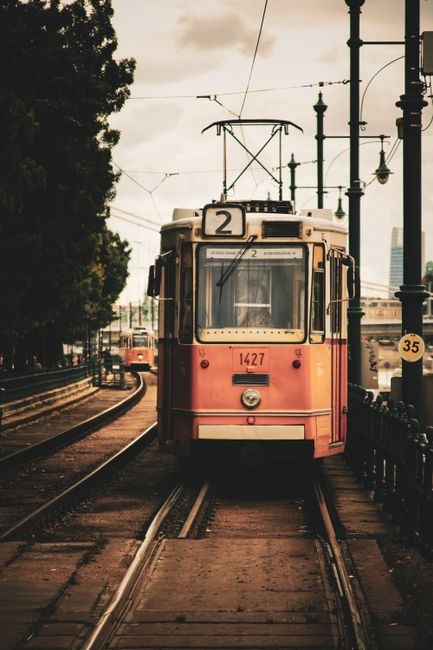
Set in 1947 New Orleans, the play follows Stella and Blanche as they confront memory and desire. The narrative examines class, gender, and psychological tension, weaving dialogue that captures the city’s vibrant yet decaying atmosphere. Themes of identity, survival, and longing emerge.A raw, haunting drama.!!!!!…
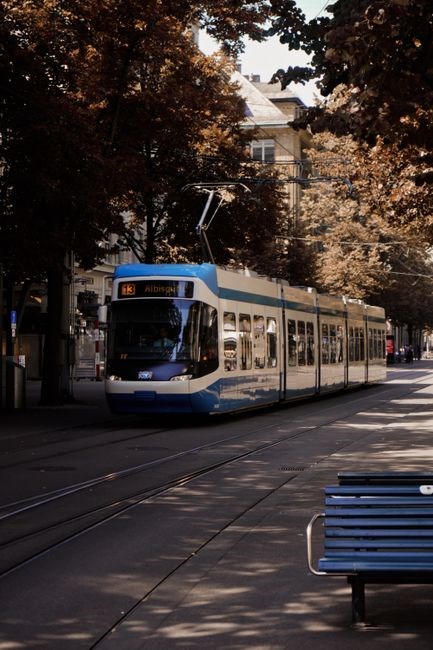
What is a PDF of the Play?
A PDF of “A Streetcar Named Desire” is a digital copy that preserves the original layout, stage directions, and character names, allowing readers to experience Tennessee Williams’ drama in a portable, searchable format that can be annotated for study and rehearsal.AAAAAAAAAAAAAAAAAAAAAAAAAAAAAAAAAAAAAAAAAAAAAAAAAAAAAAAAAAAAAAAAAAAAAAAAAAAAAAAAAAAAAAAAAAAAAAAAAAAAAAAAAAAAAAAAAAAAAAAAAAAAAAAAAAAAAAAAAAAAAAAAAAAAAAAAAAAAAAAAAAAAAAAAAAAAAAAAAAAAAAAAAAAAAAAAAAAAAAAAAAAAAAAAAAAAAAAAAAAAAAAAAAAAAAAAAAAAAAAAAAAAAAAAAAAAAAAAAAAAAAAAAAAAAAAAAAAAAAAAAAAAAAAAAAAAAAAAAAAAAAAAAAAAAAAAAAAAAAAAAAAAAAAAAAAAAAAAAAAAAAAAAAAAAAAAAAAAAAAAAAAAAAAAAAAAAAAAAAAAAAAAAAAAAAAAAAAAAAAAAAAAAAAAAAAAAAAAAAAAAAAAAAAAAAAAAAAAAAAAAAAAAAAAAAAAAAAAAAAAAAAAAAAAAAAAAAAAAAAAAAAAAAAAAAAAAAAAAAAAAAAAAAAAAAAAAAAAAAAAAAAAAAAAAAAAAAAAAAAAAAAAAAAAAAAAAAAAAAAAAAAAAAAAAAAAAAAAAAAAAAAAAAAAAAAAAAAAAAAAAAAAAAAAAAAAAAAAAAAAAAAAAAAAAAAAAAAAAAAAAAAAAAAAAAAAAAAAAAAAAAAAAAAAAAAAAAAAAAAAAAAAAAAAAAAAAAAAAAAAAAAAAAAAAAAAAAAAAAAAAAAAAAAAAAAAAAAAAAAAAAAAAAAAAAAAAAAAAAAAAAAAAAAAAAAAAAAAAAAAAAAAAAAAAAAAAAAAAAAAAAAAAAAAAAAAAAAAAAAAAAAAAAAAAAAAAAAAAAAAAAAAAAAAAAAAAAAAAAAAAAAAAAAAAAAAAAAAAAAAAAAAAAAAAAAAAAAAAAAAAAAAAAAAAAAAAAAAAAAAAAAAAAAAAAAAAAAAAAAAAAAAAAAAAAAAAAAAAAAAAAAAAAAAAAAAAAAAAAAAAAAAAAAAAAAAAAAAAAAAAAAAAAAAAAAAAAAAAAAAAA

Legal Status and Copyright
The play remains under copyright, as it was published in 1947 and the author died in 1983. Therefore, PDFs are protected, and users must obtain permission or use licensed copies. Unauthorized copies violate law. Accessing PDFs without rights can lead to penalties. Seek counsel.!!

Copyright Duration
In the United States, copyright law protects works for a set period determined by the date of creation and the author’s death. For a play first published in 1947, such as Tennessee Williams’s “A Streetcar Named Desire,” the original copyright term was 28 years, with a possible renewal for an additional 28 years. The renewal was secured in 1975, extending protection to 95 years from the original publication date, which means the text remains under copyright until 2042. The 1976 Copyright Act later extended the renewal term to 47 years, but the 95-year total remained unchanged for works already under renewal. Internationally, the Berne Convention requires a minimum of 50 years after the author’s death, but many countries, including the United Kingdom and Canada, have adopted a 70-year standard. Consequently, the play entered public domain in the UK in 2013 and in Canada in 2033, while it remains protected in the U.S. until 2042. Anyone wishing to use the text must verify the status in their jurisdiction and, if necessary, obtain a license from the rights holder. The play’s enduring themes and complex characters continue to inspire adaptations, ensuring its relevance across generations and cultures worldwide, offering rich material for study.
This information is provided for general educational purposes only. For any commercial use, please seek licensed copies. The text remains under copyright until the specified date, and unauthorized distribution may lead to legal consequences. Always verify the status in your jurisdiction before sharing or reproducing the material. All rights reserved. No part may be reproduced without permission for use!!!…!!!…
Public Domain and Fair Use
While “A Streetcar Named Desire” remains under copyright in the United States until 2042, certain excerpts may be used under the doctrine of fair use. Scholars, educators, and critics often cite short passages for analysis, criticism, or commentary, provided the use is transformative and non‑commercial. The U.S. Copyright Office defines four factors to assess fair use: the purpose and character of the use, the nature of the copyrighted work, the amount and substantiality of the portion used, and the effect on the market value. In practice, a brief quotation—typically no more than or a few lines—generally satisfies the first two factors. However, the third factor requires careful consideration; using a passage that constitutes the “heart” of the play could be problematic. The fourth factor examines whether the excerpt could replace the original work in the marketplace. Academic institutions frequently obtain licenses for full‑text access, but many libraries provide limited‑use copies for classroom settings. Internationally, the play entered the public domain in the United Kingdom in 2013 and in Canada in 2033, allowing unrestricted use in those jurisdictions. Nonetheless, the original author’s estate retains control over adaptations, translations, and derivative works. Therefore, while the text is not freely downloadable worldwide, selective, non‑commercial use is permissible under fair use, and public‑domain versions are available in countries where the copyright has expired. Always verify the local copyright status before reproducing the material. Students may quote up to for classroom discussion!!

Where to Find Legitimate PDFs
Legitimate PDF copies of “A Streetcar Named Desire” are available through the publisher’s official site, university digital libraries, and public‑domain repositories in countries where the work has entered the public domain. Always verify the source before downloading.!!!!!!!

Publisher’s Official Site
For those seeking a high‑quality, legally compliant PDF of A Streetcar Named Desire, the most reliable source is the publisher’s own website. The publisher typically offers the play in several formats, including a downloadable PDF, an e‑book, and sometimes a print‑on‑demand option. To access the PDF, you usually need to create an account, verify your identity, and agree to the licensing terms. Once logged in, you can purchase a digital license that grants you the right to view the document on your computer or mobile device. The purchase price varies depending on the intended use—personal study, classroom use, or commercial production—so be sure to read the licensing options carefully. Some publishers provide a preview or sample pages, allowing you to confirm the text before committing. If you are affiliated with an educational institution, you may be able to obtain the PDF through your library’s subscription or By purchasing through the publisher’s official platform, readers too gain access to materials such as author notes critical essays, performance guides, enriching the reading experience and providing valuable context for academic study. This ensures every copy remains authentic and fully supported by rights holders.
Readers often wonder about the best ways to store a PDF safely. Digital copies should be kept in encrypted folders, backed up on secure cloud services, and scanned for malware before opening. Using reputable PDF readers with built‑in security features further protects against vulnerabilities. and updates.!
University Library Digital Collections
Many university libraries maintain extensive digital repositories that house theatrical works, including A Streetcar Named Desire. These collections are typically accessible through the library’s online portal, where users can search by title, author, or subject. Once located, the play is often available as a PDF download, provided the institution holds the appropriate license. Access is usually restricted to students, faculty, or staff, though some libraries offer guest access for a limited time or for a fee. The digital copies are often high‑resolution scans of the original print, preserving the original formatting and stage directions. Libraries may also provide supplementary materials such as annotated editions, production notes, and critical essays, which can enrich the reader’s understanding. To use the PDF responsibly, users should adhere to the library’s copyright policy, which typically allows personal study, note‑taking, and sharing within the academic community. For broader distribution, such as classroom use or public performances, additional permissions may be required. Many institutions provide a request form or an interlibrary loan service to obtain copies for those who do not have direct access. The digital format also allows for easy annotation with PDF readers, enabling scholars to highlight passages and add comments for future reference. By leveraging university digital collections, readers can legally obtain a high‑quality copy while supporting the preservation of literary heritage. Students! may request a copy now!
Government and Public Library Resources
Many national and local public libraries participate in digitization projects that make classic plays available to the public. The Library of Congress, for instance, hosts a digital collection where users can download PDFs of works that are in the public domain or for which the library has secured a license. State library systems often partner with university repositories to expand access, offering patrons free downloads through their online catalogs. Public library cardholders can request digital copies via interlibrary loan or through the library’s e‑resource portal, where a secure login grants temporary access to the PDF. Some libraries provide a free, limited‑time download link that expires after a set period, ensuring compliance with copyright law. Additionally, the National Library Service for the Blind and Print Disabled offers accessible versions of the play in large print or audio format, which can be converted to PDF with screen‑reading software. Users should check the library’s terms of use to confirm whether the PDF is intended for personal study or broader distribution. By utilizing these government‑backed resources, readers can obtain a legally compliant copy while supporting public access initiatives. Remember to cite the source when sharing excerpts in academic work!
Libraries also digitize scripts, preserving them for future scholars. Many institutions offer free access to editions, downloadable as PDFs for research or classroom use. today data This encourages broader engagement with the text for readers.

Alternative Formats and Resources
Besides PDFs, the play is available as eBook, audiobook, and streaming video. Many libraries offer digital loans, while retailers sell Kindle and Audible editions. These formats provide flexible access for study, discussion, and performance preparation. Use these options

eBook and Audiobook Versions
For those who prefer digital or audio media, the play is widely distributed in eBook and audiobook formats. E‑book editions come in EPUB, MOBI, and PDF, allowing readers to adjust font size, highlight passages, and annotate directly on their tablets or laptops. Many platforms, such as Kindle, Apple Books, and Google Play Books, offer instant download or cloud‑based access, ensuring that students and enthusiasts can study the text on the go. Audiobook versions, narrated by professional actors, capture the rhythm and emotional nuance of Tennessee Williams’ dialogue. These recordings are available on Audible, Scribd, and other streaming services, providing an immersive listening experience that can be used for rehearsal, analysis, or casual enjoyment. When selecting a digital copy, verify the edition’s license to avoid piracy! Some libraries also provide free access to e‑books and audiobooks through their digital lending programs, which can be checked out with a library card and read or listened to offline. This flexibility makes it easier for readers who need to accommodate different learning styles or who wish to revisit the play’s complex themes without the constraints of a physical book. Additionally, many e‑book platforms offer built‑in dictionaries and translation tools, which can help non‑native speakers grasp the subtleties of the language. For those who enjoy a tactile experience, the printed version can still be purchased, but the digital alternatives offer convenience, portability, and often lower cost. Ultimately, whether you choose to read the text or listen to a performance, the availability of high‑quality e‑book and audiobook versions ensures that the enduring drama remains accessible to a broad audience.

Downloading and Using the PDF Safely
When downloading a PDF, always verify the source’s authenticity and use reputable sites. Scan the file with up‑to‑date antivirus software before opening. Keep your operating system and PDF reader updated to patch security vulnerabilities. Store copies in encrypted folders for added protection. Download responsibly.
Security and Privacy Tips
When you download a PDF, the first step is to confirm the source’s legitimacy. Use official publisher sites or well‑known libraries, and avoid sites that ask for unnecessary personal data. Once the file is on your device, run a full antivirus scan. Keep your operating system, browser, and PDF reader updated; patches close vulnerabilities that could be exploited by malicious code embedded in PDFs. Use a sandbox or virtual machine for unknown files. Enable PDF sandboxing features in your reader, which isolate the document from the rest of the system. If you must share the PDF, use encrypted email or secure cloud services that offer end‑to‑end encryption. Never upload the file to public cloud storage without encryption. When viewing, disable JavaScript and other active content in the reader settings, as scripts can trigger exploits. Regularly back up important PDFs to an encrypted external drive. Finally, be cautious of phishing links claiming the PDF; verify the URL before clicking.!!!!! By following these practices, you protect both your device and personal data from potential threats. Additionally, verify the file’s hash against a trusted source if available; this confirms the file has not been altered. When opening the PDF, use a reader that supports sandboxing and restricts external content. If you need to edit the PDF, use a reputable editor that does not embed malicious macros. When sharing, always use a password‑protected PDF and transmit the password through a separate channel. Finally, keep your backup copies on a separate encrypted medium and periodically test the integrity of the backups. Keep software up‑to‑date and security settings. !