
the making of asian america pdf
- Published
- in PDF
The Making of Asian America PDF offers a concise, accessible overview of Asian American history, blending narrative with analysis. It highlights complex migration drivers beyond economics, linking U.S. colonial and military presence to shifting immigration patterns and contemporary challenges. for scholars. !

Background and Historical Context
The PDF traces early Asian migration waves, detailing 19th‑century arrivals, exclusion laws, and post‑World War II policy shifts. It situates these events within U.S. imperial ambitions and global economic ties, framing a nuanced migration narrative.PDF inside now.
Early Asian Immigration to the United States
In the mid‑nineteenth century, the United States witnessed its first substantial influx of Asian migrants, primarily from China, drawn by the California Gold Rush and the promise of economic opportunity. These early Chinese laborers, often referred to as “coolies,” faced harsh working conditions, racial hostility, and discriminatory laws such as the 1850 Chinese Exclusion Act, which curtailed further immigration and set a precedent for exclusionary policies. By the 1880s, the U.S. government began recruiting Japanese agricultural workers to settle in the West, motivated by the need for labor in burgeoning plantations and the desire to solidify ties with Japan. Japanese immigrants, unlike their Chinese counterparts, initially enjoyed a more favorable legal status, although they too encountered prejudice and were subject to the 1907 Gentlemen’s Agreement limiting future arrivals. Meanwhile, Filipino soldiers, who served in the U.S. Army during the Spanish‑American War, were granted U.S. citizenship in 1917, a unique status that facilitated their migration to the mainland. These early movements were not solely driven by economic aspirations; they were deeply intertwined with U.S. colonial ambitions in the Philippines, Korea, and Japan, creating a complex web of push and pull factors that would shape the trajectory of Asian American communities for decades to come.
The early 20th century also saw the arrival of Korean laborers, who were recruited to work on railroads and in factories, often under contract and facing exploitative conditions. These workers, like earlier Chinese and Japanese migrants, formed tight‑knit communities that preserved cultural traditions while navigating the challenges of segregation and limited civil rights. The 1924 Immigration Act, which effectively barred all Asian immigration, marked a turning point, but the legacy of early Asian settlers remained embedded in the American landscape, influencing labor markets, cultural exchanges, and the evolving narrative of American identity.
In addition, the early Asian diaspora contributed to the development of ethnic enclaves such as San Francisco’s Chinatown and Los Angeles’s Little Tokyo, which became centers of commerce, social support, and cultural preservation. These neighborhoods facilitated the transmission of language, cuisine, and religious practices to subsequent generations, while also serving as sites of resistance against discriminatory legislation. The interplay between these communities and the broader American society set the stage for future advocacy, culminating in landmark legal victories such as the 1943 repeal of the Chinese Exclusion Act and the 1965 Immigration and Nationality Act, which opened the door to a more diverse and inclusive immigration system.
Legal Frameworks and Policies Shaping Immigration
From the Chinese Exclusion Act of 1882 to the Immigration Act of 1924, the United States established a series of statutes that systematically restricted Asian entry. The 1882 law barred Chinese laborers and set a precedent for exclusionary immigration. The 1907 Gentlemen’s Agreement limited Japanese immigration, while the 1924 Act effectively prohibited all Asian arrivals. These laws were justified under the guise of protecting American labor markets and preserving national security, yet they institutionalized racial discrimination. The 1943 repeal of the Chinese Exclusion Act, prompted by wartime alliances, marked a turning point, but the 1965 Immigration and Nationality Act would truly reshape the landscape by abolishing national‑origin quotas. This act introduced a preference system based on skills and family reunification, opening doors for millions of Asians. Subsequent policies, such as the 1990 Immigration Act, expanded family‑based immigration and created the Diversity Visa Lottery, further diversifying the Asian American population. However, contemporary legislation, including the 2013 Border Security, Economic Opportunity, and Immigration Modernization Act, has sparked debate over the balance between security and inclusivity. These legal frameworks, evolving over more than a century, have both constrained and facilitated Asian migration, leaving a lasting imprint on the demographic and cultural fabric of the United States. Additionally, the 1965 Act’s emphasis on skilled immigrants created a pipeline for highly educated professionals from countries such as India, China, and Korea, fueling the growth of technology hubs in Silicon Valley and beyond. The 1990s saw the enactment of the Immigration Reform and Control Act, which, while primarily addressing undocumented immigration, also introduced employer sanctions that indirectly affected Asian employers and their workforce. In recent years, the U.S. Citizenship and Immigration Services has implemented point‑based systems that reward academic achievement, thereby encouraging a new generation of Asian scholars to pursue residency. These evolving statutes reflect a continual negotiation between national security concerns, economic demands, and the principles of diversity and inclusion that define the modern American ethos. Moreover, the 2010s introduced the Deferred Action for Childhood Arrivals program, offering temporary relief to undocumented youths, many of whom are Asian. The 2020s have seen heightened scrutiny of the H‑1B visa system, prompting debates over labor market impacts and national security. These legislative shifts underscore the dynamic interplay between immigration policy and the evolving needs of a diverse, interconnected global economy.

Key Themes in Erika Lee’s Narrative
Lee weaves history, identity, and resistance into a narrative that highlights the intersection of colonial legacies, labor struggles, and the evolving Asian American experience, challenging monolithic myths and foregrounding diverse voices. and reimagining futures. now!!!

Intersection of Colonial and Military Engagements
Erika Lee’s narrative foregrounds the profound influence of U.S; colonial and military ventures on Asian migration patterns and identity formation. By tracing the Philippines’ transition from Spanish to American rule, the book illustrates how the 1898 Treaty of Paris opened a new corridor for Filipino laborers and soldiers, many of whom later settled in California’s burgeoning agricultural sector. Lee then examines the post‑World War II occupation of Japan, noting how the U.S. military’s presence created a demand for Japanese technicians and educators, reshaping the perception of Asians from “others” to essential contributors in a rapidly modernizing economy. The Korean War’s aftermath is highlighted as a pivotal moment when U.S. military strategy prompted the relocation of Korean refugees to U.S. ports, accelerating the diversification of Asian communities in the Midwest. Lee’s analysis also delves into the Vietnam War’s influence on the U.S. immigration policy, particularly the 1965 Immigration and Nationality Act, which removed national origin quotas and allowed a surge of Vietnamese refugees to enter the United States. Throughout, she emphasizes how these military engagements not only facilitated the movement of people but also imposed new social hierarchies, compelling Asian Americans to navigate shifting legal frameworks, racialized labor markets, and evolving civic identities. By weaving together archival documents, oral histories, and policy analysis, Lee demonstrates that colonial and military interventions are inseparable from the narrative of Asian American resilience and adaptation, challenging simplistic economic explanations and underscoring the complex interplay between geopolitics and grassroots community building. Moreover, the 2001 post‑9/11 security climate intensified scrutiny of Asian communities, leading to increased surveillance and the passage of the USA PATRIOT Act, which further complicated the legal status of many immigrants and reinforced the need for community advocacy. Lee concludes that the legacy of these interventions persists in contemporary policy debates, reminding readers that the historical entanglement of military strategy and immigration continues to shape the lived realities of Asian Americans today. This historical lens equips scholars and activists alike to better understand current challenges faced by Asian American communities, from anti‑Asian hate crimes to representation in political institutions.

Push and Pull Factors Beyond Economics
While economic incentives are often foregrounded in discussions of Asian migration, Erika Lee’s PDF reveals a richer tapestry of push and pull forces that transcend simple financial calculations. Political turmoil—such as the Chinese Civil War, the Korean War, and the Vietnam conflict—created urgent safety concerns that propelled families across oceans, even when wages in the United States were modest. Likewise, the U.S. policy of “Americanization” during the Cold War era offered a promise of political stability and civic participation, attracting those who sought refuge from authoritarian regimes. Cultural and familial networks, documented through letters and oral histories, formed invisible bridges that eased the transition for newcomers; these networks provided housing, language support, and a sense of belonging that economic prospects alone could not guarantee. Educational opportunities also functioned as a powerful pull: the 1965 Immigration and Nationality Act opened pathways for highly skilled students, while the rise of U.S. universities as global research hubs drew scholars from across Asia. Moreover, the legacy of U.S. colonialism in the Philippines and the presence of U.S. military bases in Japan and Korea created a sense of shared history and mutual obligation, encouraging migration as a form of transnational solidarity. Finally, the evolving narrative of the “model minority” myth, while problematic, offered a social identity that some Asian immigrants leveraged to access community resources and political representation. Together, these factors illustrate that Asian migration to the United States is driven by a complex interplay of safety, opportunity, kinship, and ideological alignment—elements that extend well beyond the realm of economics.

Impact of Asian American Communities on American Society
Asian Americans drive innovation entrepreneurship, and cultural enrichment. Their labor fuels tech, agriculture and service sectors, while civic engagement reshapes policy. Diverse culinary artistic, and linguistic contributions broaden national identity, fostering inclusivity and economic resilience.
Labor Contributions and Economic Growth
Asian American workers have long been integral to the United States economy, filling critical roles across a spectrum of industries. From the early days of railroad construction and agricultural labor to the modern tech boom, their presence has consistently driven productivity and innovation. In the 19th century, Chinese laborers were pivotal in building transcontinental railroads, while Japanese immigrants contributed to agricultural development in California’s Central Valley. During the 20th century, Filipino nurses and technicians became essential in healthcare and defense sectors, especially during World War II and the Korean War. In recent decades, individuals of Korean, Vietnamese, and Indian descent have surged into high-tech, engineering, and biomedical fields, fueling Silicon Valley’s growth and expanding the nation’s scientific output. Moreover, Asian American entrepreneurs have launched thousands of startups, creating jobs and fostering economic dynamism. Their businesses span from small family-owned restaurants to multinational corporations, reflecting a blend of traditional cultural values and modern business acumen. The cumulative impact of these labor contributions is evident in GDP growth, job creation, and the diversification of the American labor market. By bridging cultural gaps and bringing unique skill sets, Asian Americans continue to shape the nation’s economic trajectory, ensuring resilience and sustained prosperity. Their collective labor also fuels innovation ecosystems, bridging technology and community, and reinforcing United States’ economic leadership!!together

Political Mobilization and Representation
Since the mid‑twentieth century, Asian Americans have transitioned from marginalized groups to influential political actors. Early activism emerged during the civil rights era, with organizations such as the Asian American Political Alliance (AAPA) mobilizing voters in California and New York. The 1965 Immigration Act expanded the demographic base, increasing voter registration and encouraging community coalitions. By the 1980s, Asian American leaders like Grace Lee Boggs and John Lee began running for local office, securing seats on city councils and school boards. The 1990s saw the rise of the “Asian American political coalition” (AAPC), which coordinated campaigns across the West Coast, leading to the election of the first Asian American mayors in San Francisco and Honolulu. In the 2000s, the national profile grew with the election of U.S. Representative Patsy Mink and Senator Daniel Inouye, both trailblazers who championed civil liberties and veterans’ benefits. More recently, the 2010s and 2020s have witnessed a surge in Asian American representation at all levels of government. Figures such as Kamala Harris, the first Asian American and Pacific Islander vice‑president, and U.S. Representative Ro Khanna, a prominent tech advocate, illustrate the expanding influence. Grassroots movements, voter registration drives, and coalition building with other minority groups have amplified Asian American voices. These efforts have translated into policy gains, including anti‑discrimination legislation, immigration reform, and increased funding for community development. Their activism reshapes policy and community
Contemporary Issues Addressed in the PDF
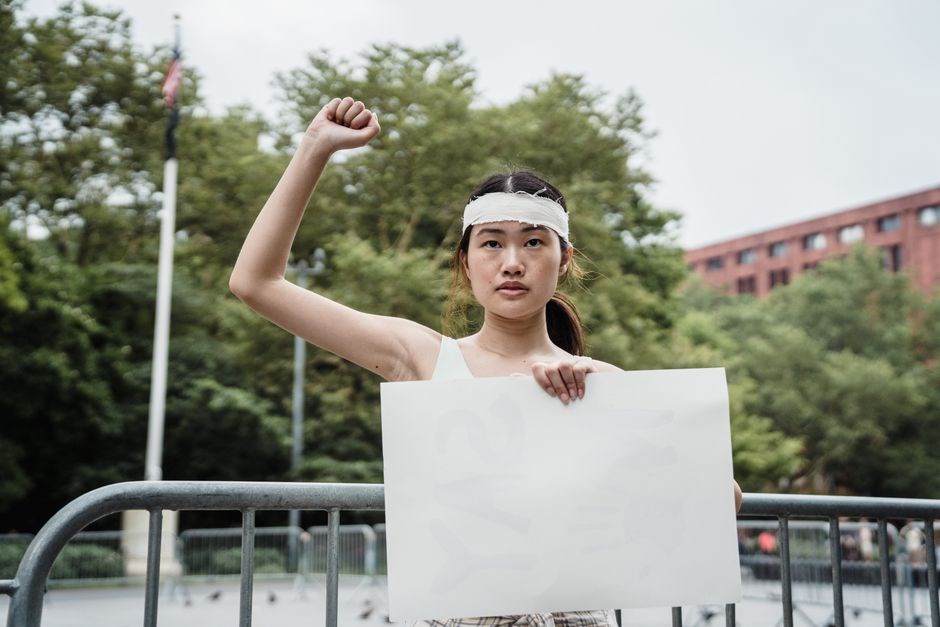
The PDF examines rising anti‑Asian hate crimes, the 2021 surge, and the national response, including the Hate Crimes Prevention Act. It highlights grassroots movements, policy reforms, and community resilience, urging inclusive narratives and equitable representation in public discourse.The text urges solidarity
Hate Crimes and Social Justice Movements
Within the PDF, the surge of anti‑Asian hate incidents in 2021 is dissected, noting a 70% increase in reported assaults across the United States. The text links these spikes to heightened political rhetoric and pandemic‑era xenophobia, underscoring how media framing can amplify fear. It chronicles the rapid mobilization of community coalitions—such as the Asian American Coalition for Justice, the National Asian Pacific American Bar Association, and local grassroots groups—who organized “Stop Hate” rallies, legal aid clinics, and public education campaigns. The narrative details how these movements leveraged social media to document attacks, petition legislators, and secure the passage of the Hate Crimes Prevention Act of 2021, which expanded federal definitions to include bias‑motivated violence against Asian Americans. The PDF also examines the role of intersectional advocacy, noting collaborations between Asian, Black, and Latino activists to address shared experiences of discrimination. It highlights case studies where joint efforts led to policy changes at city and state levels, such as California’s “Asian American and Pacific Islander (AAPI) Equity Act.” The text stresses the importance of data collection, urging the federal government to fund comprehensive hate‑crime reporting. Finally, it calls for sustained community empowerment, emphasizing education, mental‑health resources, and inclusive representation in media and politics as essential tools for long‑term resilience. Additionally, the PDF highlights faith‑based groups that offered food aid and counseling during COVID‑19, religious communities supported Asian American families. Additionally, the PDF shows groups that offered food aid and counseling during COVID‑19, communities supported Asian American families!

Accessing and Utilizing the PDF Resource

The Making of Asian America PDF is available through the Internet Archive, Free Library of Philadelphia, and OverDrive. Users can download the file in PDF formats, ensuring compatibility with desktop, tablet. The Internet Archive hosts a 1.2‑MB PDF that can be streamed in the browser, while the Free Library offers a 1.5‑MB PDF that requires a library card. OverDrive offers a 1.3‑MB PDF that can be borrowed, with an option to download offline. Each platform assigns an identifier (e.g., OCLC 1150273577) to locate the exact edition. For academic use, the PDF includes a bibliography and primary sources, allowing researchers to trace citations back to original documents. The text is searchable, the PDF’s metadata contains keywords like “Asian American history,” “immigration,” and “hate crimes,” facilitating retrieval. The document can be printed, and the PDF’s internal table of contents allows navigation to chapters on colonial influence. Readers can annotate directly, share highlights, and export notes for classroom use, making the PDF a versatile teaching tool.